Lockdowns and mental health
Victoria enters sixth lockdown as state’s cases grow; NSW records 262 new local COVID-19 cases, five deaths. Lockdowns to end once 80 per cent of the population is vaccinated against COVID-19 yet today some 60% of Australians are in lockdown.
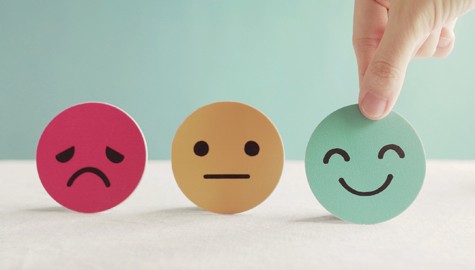
Depression and anxiety were already part of life for some but COVID-19, and the resultant lockdowns, have worsened, and broadened across society as a whole, these mental health issues. We have no choice in regard to lockdowns but more of us are struggling to comprehend, understand, tolerate, and manage increasing amounts of time in isolation. Also, while the pandemic and lockdowns are bad enough, it seems that increasingly people are concerned and anxious about aggressive feelings they have towards those who are causing lockdowns in the first place.
Mental health and lockdowns.
- Depression and anxiety are three times higher during the COVID-19 lockdowns.
- Experts say the COVID-19 pandemic is a large-scale traumatic event.
- It has caused physical, emotional, and psychological distress, and not just for patients of the virus.
While we have been working tirelessly to keep our faces covered, wash our hands, and socially distance, even from loved ones, we may not have realized how the pandemic and lockdowns have chipped away at our mental health.
Contributing factors to depression and anxiety
There has been a large body of research now into the mental health impacts of COVID-19 and the findings mean we all have to be on guard to help ourselves, our loved ones and the wider community manage during these tough times.
Research finds that certain groups were at greater risk of depression and anxiety, groups such as those on lower incomes and those with low household savings. These groups had a 50 percent greater risk of depression and anxiety than those of higher income.
But income isn’t the only factor. Isolation and uncertainty contribute to depression and anxiety in people of all socioeconomic backgrounds.
‘The rates of depression have significantly increased during the pandemic because people are more socially isolated, have less structure and routine, and more uncertainty about the future, which leads to doubt and negative predictions.’
Beyond that there is the change in the “big picture.” “What does this do to the plans people had? What if they were about to start a job, or lost a job, and now have a financial hardship as a result of it? What if they lost a significant other or family member and now have to face life without that person?”
‘On top of it all, there is no way to know when it will all end. Needless to say, it is understandable why depression and anxiety are on the rise.’
How to address depression symptoms during COVID-19
There are many ways to help ease the symptoms of depression and anxiety even during a pandemic.
Depression is a common condition that affects millions of people around the world. This means there are verified and trusted methods for dealing with symptoms so that you can get back to living and enjoying your life.
“Identifying those at risk for mood symptoms — for example, those with a history of depression or anxiety, substance abuse history, those facing long-term unemployment, or those who feel a sense of isolation from others — is vital for early detection and intervention.” “Recognizing warning signs in our friends and family members, such as feelings of hopelessness and withdrawal from others, can be a way to connect individuals with the appropriate services before symptoms worsen.”
For those who may not know if they are struggling with depression and anxiety, symptoms can include:
- low energy
- insomnia
- weight loss
- low mood
- feeling like a burden to others
- feelings of guilt
- suicidal ideation
“Based on the symptoms, you can decide how you want to approach it. It could be as simple as developing a semblance of structure or routine to your day, or setting a reminder to take time for yourself, even if it’s just an hour.”
There is also psychotherapy, which is one of the most valued tools when it comes to improving mental health.
“To suddenly feel like you have someone to listen and understand you and allow you to see things from a different perspective — that’s worth a lot. Especially when someone is struggling with depression.”
‘Additionally for some people medication can help.’
‘In the midst of a pandemic and recession one way to help is simply to reach out to family and friends and check in on their mental health.’
“Everyone is struggling in one way or another during COVID-19. Don’t be afraid to reach out for help or share your experiences with those close to you,” LeMonda said. “Chances are, you’ll find you’re not alone.”
More Articles

Complex rules of small business CGT concessions can present challenges
The complex rules around small business capital gains tax concessions can eliminate tax on a business sale and...

IGR predicts drawdowns will be major source of retirement income
Drawdowns from superannuation are projected to increase to almost six per cent of gross domestic product (GDP...

Retirees hardest hit by inflation
Retirees are being hit harder by rising prices than the general population, with the costs that dominate their...

The retirement gap we don’t talk about
Retirement confidence isn’t just about your nest egg, it’s about your plan. Retirement...

The three phases of retirement: Key decisions at every stage
Retirement starts long before your last day at work. Retirement starts long before your last day at...

Children as SMSF dependents very complex
The definition of children as dependants under superannuation law is not straightforward when dealing with...

Two Cautionary Tales About Resources Important to Anyone Using a Domain Name or Website
This warning is new, but the reason for forgetting to renew a domain name isn’t. 1. Not renewing...

Check out the smartest species on earth: Data from 200M BC to 2026
Check out the evolution of animal intelligence from the Jurassic Period (~200 million years ago) to 2026...
Heathmont Financial Services Pty Ltd (ABN 68 106 250 104) trading as Heathmont Financial Services is a Corporate Authorised Representative (No. 262098) of Knox Wealth Management Pty Ltd (ABN 74 630 256 227), Australian Financial Services Licence Number (AFSL) 513763.
Julian McGoldrick is an Authorised Representative (No. 262098) of Knox Wealth Management Pty Ltd AFSL 513763.